Ploughing on? The state of British farming
Partners:

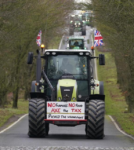
In last autumn’s Budget, Rachel Reeves announced that full agricultural property relief for inheritance tax on farms would be limited to £1million, leaving family farms potentially facing huge tax bills. The announcement inspired mass protests by farmers, with tractors parked all the way down Whitehall. Many pointed out that it would spell the end for all but the smallest farms being passed down through generations. The issue proved to be a lightning rod for wider concerns about farming today.
The issues facing farmers have received greater publicity thanks to the popularity of the Amazon Prime series Clarkson’s Farm. Farmers have long complained about the behaviour of the major supermarkets in driving down prices, particularly for milk. Subsidies based on how much land is farmed are being replaced by payments for providing environmental benefits, creating uncertainty, while Net Zero policies increase costs. Brexit has led to labour shortages and made exporting to Europe more difficult. The cost of important inputs, from fuel to fertiliser, shot up during the energy price crisis and have not reverted to previous levels.
Overall, many farmers struggle to make a living from producing food and are forced to diversify by using their land and buildings for other purposes – or selling up altogether, often to replace agricultural farms with solar farms.
Yet the UK is far from self-sufficient in food and the proportion of the food we eat that is homegrown is in decline. Defra figures suggest we now grow just 62 per cent of the food we need. It’s not just farmers who worry that we aren’t producing enough, leaving us at the mercy of global markets.
On the other hand, being able to buy food from around the world protects us from the danger of bad harvests at home. Moreover, if we can buy more cheaply from abroad, doesn’t that mean more money to be spent in the rest of the economy? Some argue that British agriculture needs a shake-up, with fewer but bigger farms having the resources to invest in the best equipment and techniques. The Labour government’s ‘reset’ deal with the EU promises to make it easier for smaller producers to export, too.
What should be the future of farming in the UK? Should we do more to support local production? What can we do to make life easier for farmers? Do Westminster and Whitehall really understand – or even care about – the concerns of the countryside?