Why the Battle of Ideas festival?
Help us reclaim the spirit of public debate.
After what feels like more than a year of delays, cancellations and disappointment, the Battle of Ideas festival is back. Since 2005 we have been carving out a space for public debate, bringing together hundreds of speakers and thousands of attendees to discuss the key issues of our time. From the debates themselves to the conversations going on around them, we believe that hashing things out in the public square helps us to better understand the world as it is and, perhaps, how it should be.
Last year, for the first time in its history, the festival could not take place. Covid restrictions meant public gatherings were outlawed and the past 18 months, with political discussion confined to social media and Zoom calls, has been a powerful reminder of the importance of face-to-face interaction. The return of the Battle of Ideas festival in London is therefore much anticipated. We’re taking over the historic buildings of Church House in central London – a people’s takeover of Westminster after a year of isolation. But we’re not stopping there, with a second festival in Buxton on 30 October taking the Battle of Ideas spirit way beyond the confines of the metropolis to the satellite events across the UK and Europe for the next two months, we’re making this comeback matter.
RECLAIMING PUBLIC SPACE
While there is so much to talk about, one issue stands over everything: the pandemic and its consequences. The disease itself has been bad enough, but we also need to deal with the impact on society of the lockdowns. Previously sacrosanct freedoms have been called into question by the actions of governments that loom larger over societies than ever before. Public spending has skyrocketed (even among governments who would previously have balked at it) and precedents have been set for the regulation of our lives that could have an impact on everything from the way we deal with climate change to individual lifestyles.
The situation we find ourselves in has been touted as the ‘new normal’. We are surrounded by slogans, from Build Back Better to the Great Reset. Even our sense of history seems set to divide between BC and AC – Before Covid and After Covid. But is this new normal something that we should welcome or fear?
Despite life being put on hold during the pandemic, there have been big political changes over the last two years. From the collapse of Western influence in Afghanistan to the global riots following police shootings in the US, questions of political accountability have come to the fore. As natural disasters and energy crises hit the headlines alongside motorway-blocking protesters, environmental issues have become central to almost every political campaign. And whether its concerns about Brexit hangovers to the question of how we socialise children, there is a growing feeling that enlightened groups and experts should have a greater say in how society is run, often at the expense of democratic accountability.
For some, breaking with tradition is a good thing, allowing us to reconsider all sorts of issues from race to gender. Even something as mundane as the office is now subject to reconsideration, with many extolling the virtues of home working. On the other hand, some raise the question of whether we’re in danger of losing sight of important gains made over decades, even centuries, from women’s rights to the importance of knowledge. Perhaps most importantly, we may be losing a sense of the universal interests of humanity as more and more aspects of society become dominated by culture wars between different groups and beliefs. If we are so divided, is there any prospect of changing the world for the better, or will we remain permanently stuck in a loop, unable to agree on anything that could take society forward?
FREE THINKERS WELCOME
Throughout the festival’s history, we have always defended the need for a full and frank discussion of the problems facing society. Our motto is ‘FREE SPEECH ALLOWED’. We live in a time when censorship seems more prevalent than the days of shushing priests and damning judges, and yet things have changed. Contemporary attacks on free expression often come both from the state and from within a wide variety of institutions, from colleges to companies, museums to the media. Censorship can be subtle, and is often self-inflicted for fear of ostracization. The pressures on free speech will be a major theme at this year’s festival, with speakers asking questions about whether cries of You Can’t Say That have affected political progress relating to anti-racism, climate change, economic growth and even the world of arts and culture.
We aim to make all our events an antidote to intellectual silos and closed-off echo chambers. The Battle of Ideas festival is an intellectual journey, with many different routes to take through it. We have strands of debates to allow you to follow a particular area of interest in depth, or you can pick and choose from the great variety of discussions on offer as you fancy. Hop from a discussion on sex and intimacy to a debate on bitcoin. Quiz speakers on the status of science and nudge tactics before going on to argue over whether the Grenfell disaster has changed the future of housing.
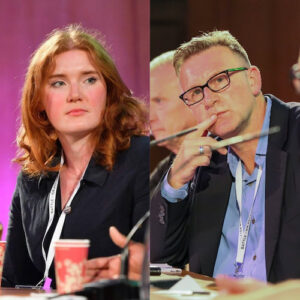
The Battle of Ideas festival is serious, fun, inspiring and much more. But don’t take it from us – what makes it unique is that it is not simply about listening to academics and commentators telling you what they think. For us, the audience IS the festival, and we actively encourage you to have your say, to challenge other people’s ideas and be challenged yourself. If you’re sick of shouting at the telly, and a weekend of civil but passionate debate in-the-flesh sounds up your street, don’t hesitate: get your ticket and join us on 9 & 10 October
Alastair Donald and Ella Whelan
co-convenors, Battle of Ideas festival